Global Japanese Sushi Rolls
Highlighted under: International Menu
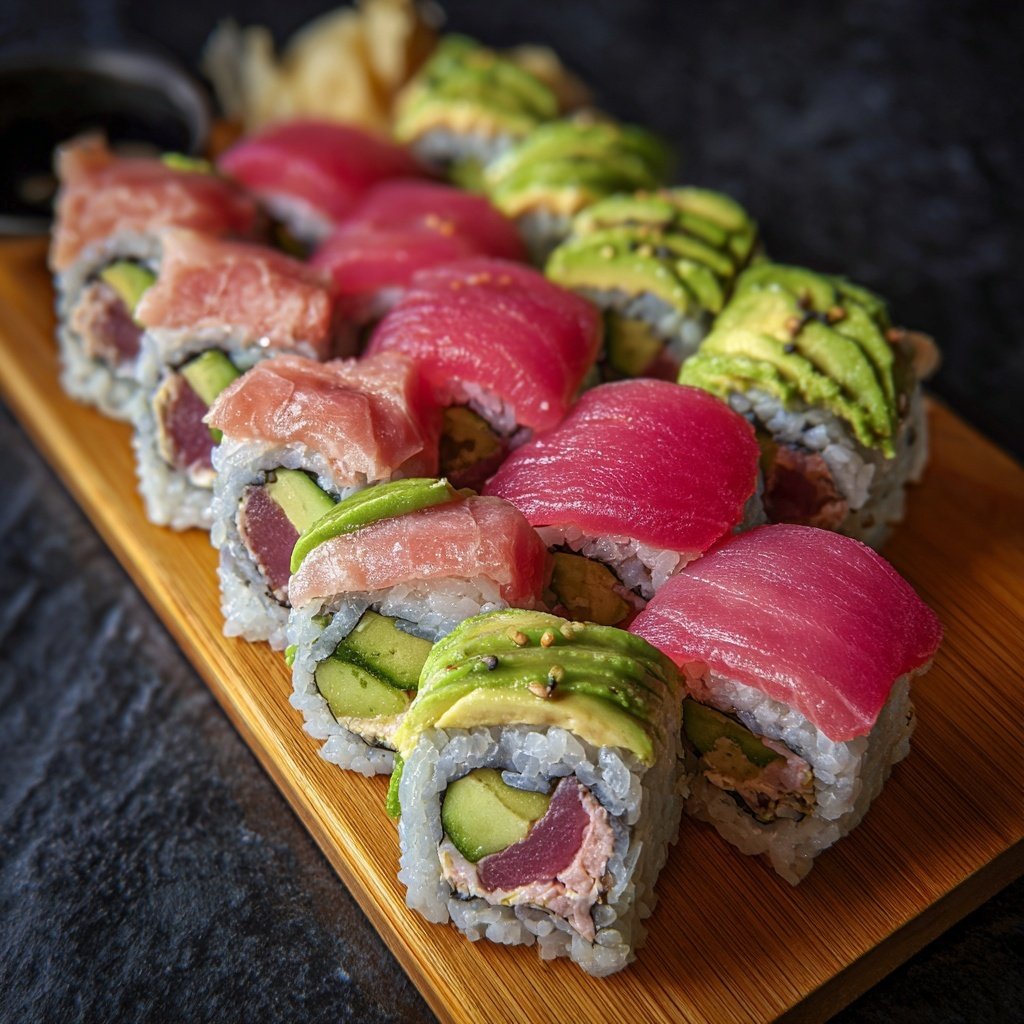
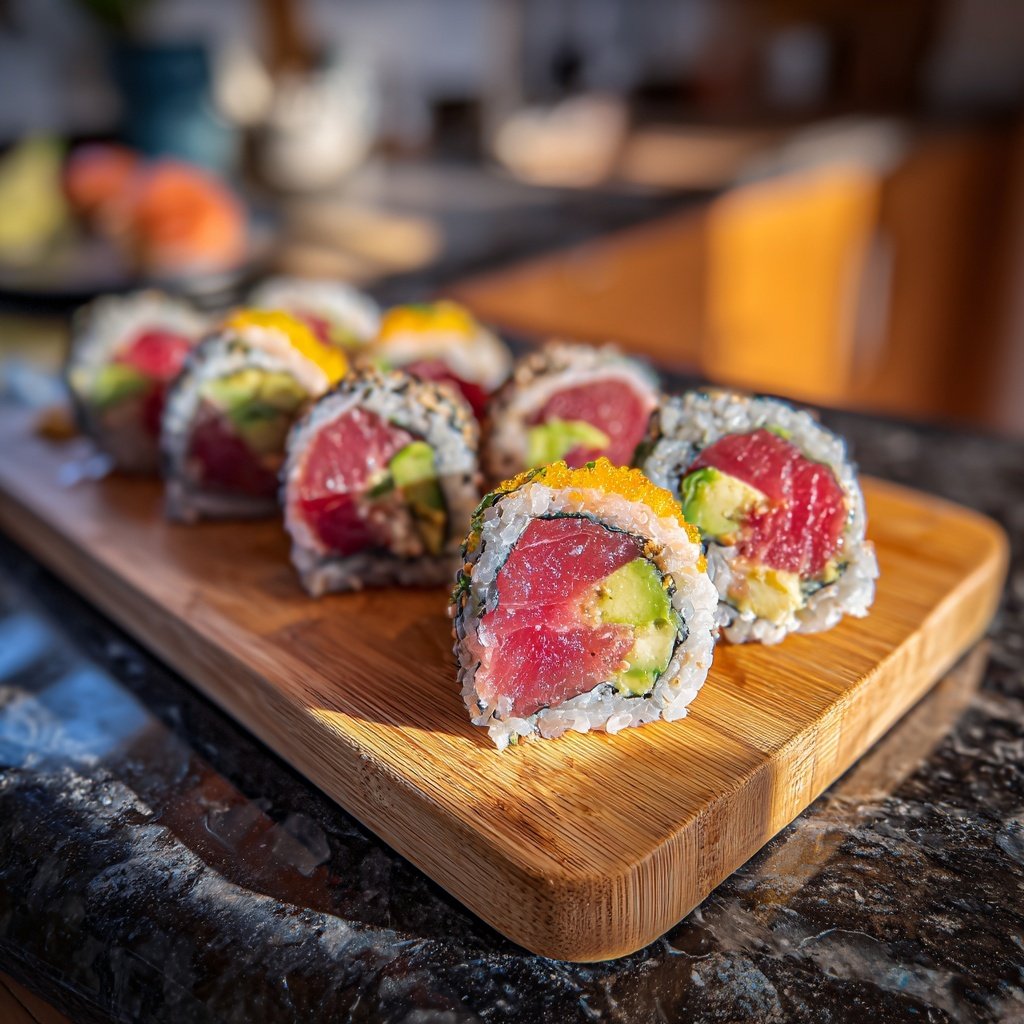
I love making Global Japanese Sushi Rolls at home because they're the perfect blend of flavor, texture, and creativity. Preparing sushi has become a therapeutic activity for me, allowing my culinary creativity to shine. The satisfaction of rolling fresh ingredients in vinegared rice is simply unbeatable. Plus, I enjoy experimenting with flavors from around the world, making every roll unique. Whether you’re a beginner or a seasoned sushi maker, this recipe will guide you in creating delightful homemade sushi that will impress family and friends.
When I first tried sushi, I was captivated by how something so simple could deliver such a burst of flavor. Over time, I realized that making sushi at home allowed me to customize flavors and ingredients to my liking. After many trials, I discovered that the key to a perfect sushi roll lies in the quality of the rice and the freshness of the fillings. I love incorporating ingredients from different cuisines, which adds a unique twist to traditional sushi.
One of my favorite tips is to use a bamboo mat for rolling; it helps keep everything tightly packed and uniform. Another thing I've learned is to wet my hands while handling the sushi rice to prevent it from sticking. The versatility of sushi is amazing—once you get the basic technique down, the possibilities are endless, and it's incredibly fun to create your own signature rolls!
Why You'll Love These Rolls
- Exotic ingredients create a flavor explosion in each bite
- Customizable to suit any palate, whether traditional or adventurous
- A fun, interactive dish for gatherings or date nights
Understanding Sushi Rice
The foundation of any sushi roll lies in the sushi rice. Selecting high-quality short-grain sushi rice is crucial, as its sticky texture helps the rolls hold together. I recommend brands specifically labeled for sushi or Japanese rice varieties. After rinsing the rice, ensure that you let it soak for at least 30 minutes before cooking. This allows each grain to absorb some moisture, which ultimately contributes to a more tender and cohesive texture post-cooking.
When cooking the rice, using a rice cooker yields the best results, but if you don't have one, a saucepan can work too. Bring the water to a boil, then reduce the heat to low and cover. Let it simmer for 15-20 minutes until the water is absorbed. Remember not to lift the lid during cooking, as this can interrupt the steaming process. Once done, fluff it with a spatula to avoid mashing the rice.
Customizing Your Fillings
One of the joys of making Global Japanese Sushi Rolls is the ability to experiment with various fillings. While traditional ingredients like cucumber, avocado, and fish are fantastic, don't hesitate to get creative with international flavors. For a refreshing twist, try adding fresh mango or even spicy kimchi. If you’re catering to specific dietary needs, consider substituting seafood with grilled tofu or roasted vegetables to keep the umami flavor without the fish.
When preparing your fillings, aim for uniformity in size; slicing them into thin strips (about 1/4 inch thick) ensures balanced flavors in every bite. Pay attention to moisture levels as well—ingredients like cucumber can release excess water, so pat them dry with a paper towel before using to prevent soggy rolls.
Ingredients
Sushi Ingredients
- 2 cups sushi rice
- 2 1/2 cups water
- 1/4 cup rice vinegar
- 2 tablespoons sugar
- 1 teaspoon salt
- Nori sheets
- Assorted fillings (e.g., cucumber, avocado, shrimp, crab, cream cheese, mango)
Instructions
Instructions
Prepare the Sushi Rice
Rinse the sushi rice under cold water until the water runs clear. Combine the rice and water in a rice cooker and cook according to manufacturer's instructions. Once cooked, transfer the rice to a bowl.
Season the Rice
In a small bowl, mix together rice vinegar, sugar, and salt until dissolved. Gently fold this mixture into the warm rice, taking care not to mash the grains. Allow the rice to cool to room temperature.
Assemble the Sushi Rolls
Place a nori sheet shiny side down on a bamboo mat. With wet hands, spread an even layer of sushi rice on the nori, leaving a 1-inch border at the top. Add your choice of fillings in the center.
Roll the Sushi
Lift the edge of the bamboo mat closest to you and start rolling it away from you, pressing gently but firmly to keep the roll tight. Continue rolling until you reach the edge of the nori, wetting the border to seal.
Slice and Serve
Using a sharp knife, slice the roll into bite-sized pieces, wetting the knife between cuts to prevent sticking. Arrange on a plate and serve with soy sauce, wasabi, and pickled ginger.
Pro Tips
- Experiment with different flavor combinations and sauces to make these rolls uniquely your own!
Storage and Make-Ahead Tips
If you're looking to prep in advance, sushi rice can be made several hours before rolling. Once cooled, store it in an airtight container at room temperature. Be cautious not to refrigerate the rice, as this can alter its texture and make it grainy. However, your prepared rolls are best enjoyed fresh. If leftover uncut rolls exist, wrap them tightly in plastic wrap and consume within 24 hours to retain the rice's texture and the freshness of the fillings.
Slicing your rolls too early can lead to drying out or losing that signature fresh taste; if you need to pre-slice, do so just prior to serving. A trick I often use is to lightly dampen a cloth in water and wrap it around the rolls until ready to serve, which helps maintain moisture.
Troubleshooting Your Rolls
Even experienced sushi makers can run into issues. If your rolls are falling apart, the rice may not be sticky enough due to improper cooking or insufficient vinegar seasoning. Ensure the rice holds its shape by consistently using the right water-to-rice ratio and gently mixing in the vinegar mixture while the rice is still warm. It can also help to wet your hands when handling the rice, as this minimizes sticking and maintains the desired texture.
For overstuffed rolls, it's tempting to add too many fillings. This can lead to difficulty when rolling. I recommend starting with a minimal amount of filling; you can always add more to your next roll. The goal is to find a balance that allows you to roll tightly without tearing the nori or spilling ingredients.
Questions About Recipes
→ Can I use brown rice instead of white rice?
Yes, but the texture and flavor will differ. You'll need to adjust the cooking time as well.
→ How do I prevent my sushi from falling apart?
Make sure to wet your hands while handling the rice and apply even pressure when rolling to keep the sushi tight.
→ What fillings are best for beginners?
Start with simple ingredients like cucumber and avocado, or cooked shrimp, to ease into sushi making.
→ Can I make sushi rolls ahead of time?
It's best to eat sushi rolls fresh. However, you can prepare all ingredients in advance and roll them just before serving.
Global Japanese Sushi Rolls
Created by: The Chefwaynebakes Team
Recipe Type: International Menu
Skill Level: Intermediate
Final Quantity: 4 rolls
What You'll Need
Sushi Ingredients
- 2 cups sushi rice
- 2 1/2 cups water
- 1/4 cup rice vinegar
- 2 tablespoons sugar
- 1 teaspoon salt
- Nori sheets
- Assorted fillings (e.g., cucumber, avocado, shrimp, crab, cream cheese, mango)
How-To Steps
Rinse the sushi rice under cold water until the water runs clear. Combine the rice and water in a rice cooker and cook according to manufacturer's instructions. Once cooked, transfer the rice to a bowl.
In a small bowl, mix together rice vinegar, sugar, and salt until dissolved. Gently fold this mixture into the warm rice, taking care not to mash the grains. Allow the rice to cool to room temperature.
Place a nori sheet shiny side down on a bamboo mat. With wet hands, spread an even layer of sushi rice on the nori, leaving a 1-inch border at the top. Add your choice of fillings in the center.
Lift the edge of the bamboo mat closest to you and start rolling it away from you, pressing gently but firmly to keep the roll tight. Continue rolling until you reach the edge of the nori, wetting the border to seal.
Using a sharp knife, slice the roll into bite-sized pieces, wetting the knife between cuts to prevent sticking. Arrange on a plate and serve with soy sauce, wasabi, and pickled ginger.
Extra Tips
- Experiment with different flavor combinations and sauces to make these rolls uniquely your own!
Nutritional Breakdown (Per Serving)
- Calories: 290 kcal
- Total Fat: 7g
- Saturated Fat: 1g
- Cholesterol: 30mg
- Sodium: 180mg
- Total Carbohydrates: 51g
- Dietary Fiber: 2g
- Sugars: 3g
- Protein: 6g