Dessert Vanilla Sponge Cake
Highlighted under: Sweet Shop | Homemade Candy
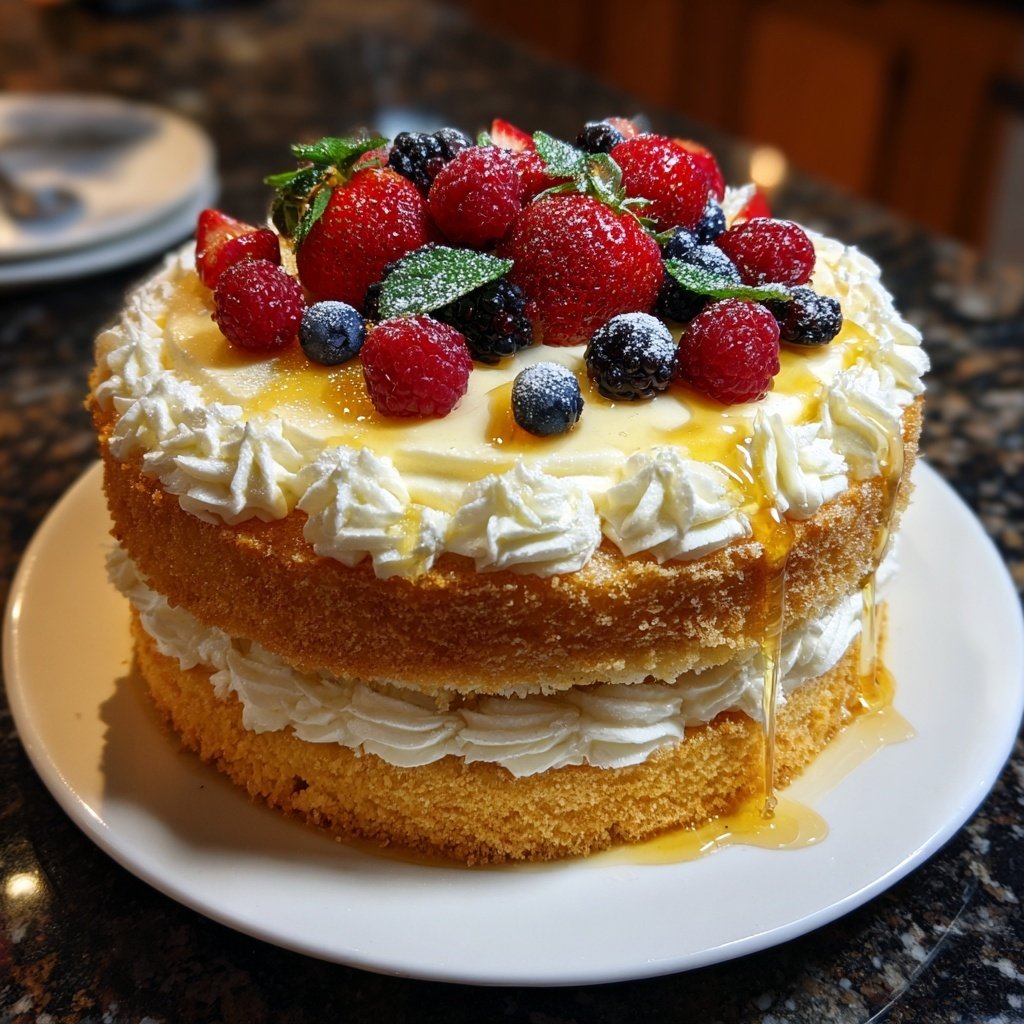
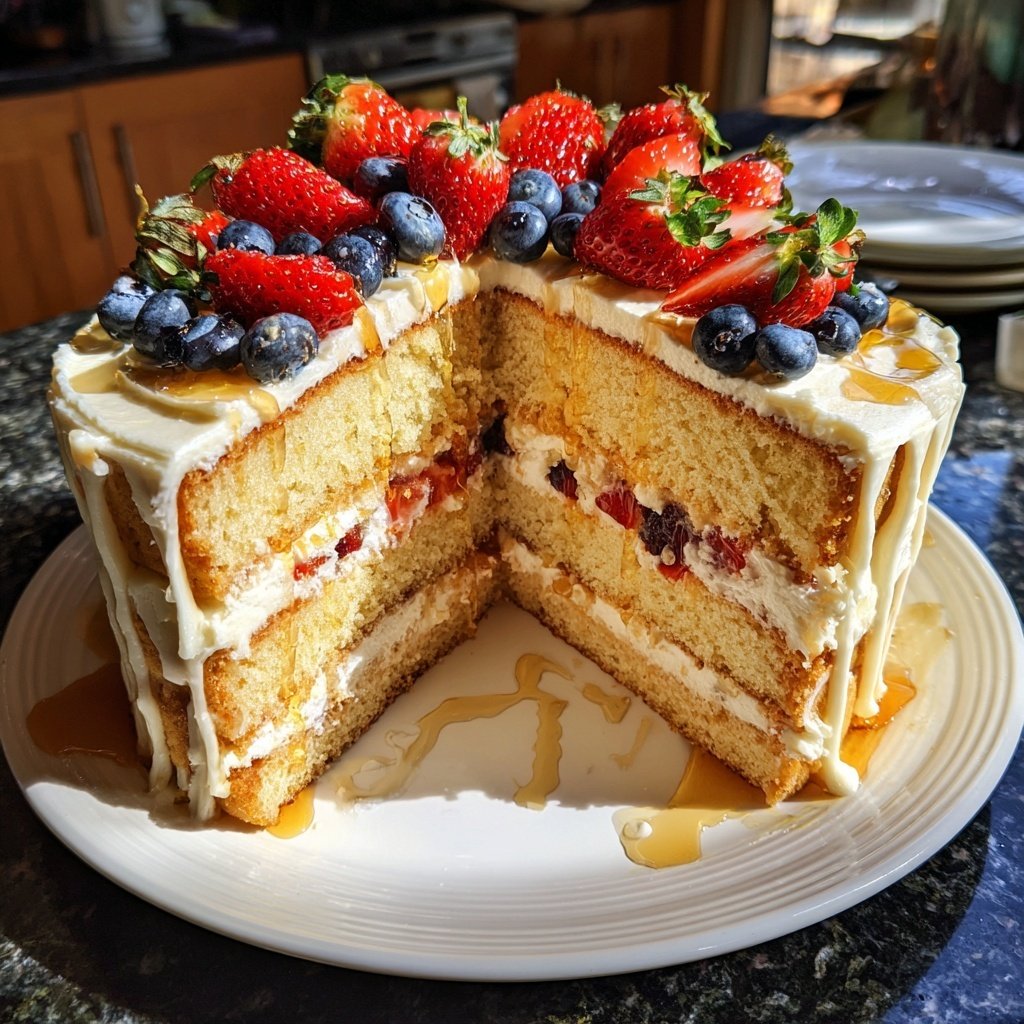
I absolutely love making this Dessert Vanilla Sponge Cake because it perfectly captures the essence of classic baking. Each time I whip up this light and fluffy sponge, I relish the sweet aroma wafting through my kitchen. The simple ingredients transform into a delightful treat that pairs beautifully with fresh fruits or a scoop of ice cream. This cake always reminds me of family gatherings and celebrations, making every slice taste like nostalgia wrapped in sweetness.
When I first attempted this Dessert Vanilla Sponge Cake, I was amazed at how easily it came together. The key to achieving that perfect fluffiness lies in aerating the eggs while whisking, which creates a light structure that rises beautifully in the oven. I make sure to use room temperature eggs and gently fold in the flour to keep the air incorporated, leading to that cloud-like texture.
Over the years, I’ve experimented with various flavorings, but the classic vanilla always stands out. It’s a versatile base, allowing me to create everything from layered cakes to trifles. I love serving it with homemade berry compote or a simple dusting of powdered sugar for an elegant finish.
Why You'll Love This Recipe
- Rich vanilla flavor that delights the palate
- Incredibly light and airy texture that melts in your mouth
- Versatile base for endless flavor variations and toppings
The Importance of Using Quality Ingredients
For the best results in this Dessert Vanilla Sponge Cake, using high-quality ingredients is essential. The flavor of vanilla extract plays a significant role in the overall taste, so opt for pure vanilla extract instead of imitation for a richer profile. Granulated sugar should be fresh and fine, as this will help achieve that light, airy texture when whipped with the eggs. Remember, the eggs should ideally be at room temperature; this can make a noticeable difference in how well they aerate during mixing.
Unsalted butter is recommended in the recipe to give you control over the salt content in your cake, allowing you to tailor the flavor. If you happen to be short on butter, coconut oil can be a suitable substitute that maintains a light texture. Additionally, sift your flour before measuring, as this helps incorporate air, which is critical for achieving that fluffy sponge cake you're aiming for.
Troubleshooting Common Issues
One common pitfall when making sponge cake is overmixing the batter after adding the dry ingredients. This can lead to a denser cake instead of the desired lightness. Always fold in the flour gently until just combined; a few lumps are okay. If you find that your sponge cake has sunk in the middle after baking, it could be due to underbaking, inadequate leavening, or opening the oven door too early during baking, so resist the temptation to peek until the 25-minute mark.
Another issue is achieving the right rise without excessive browning. If the top of your cake begins to brown too quickly, consider placing a piece of aluminum foil loosely over it during the last 10 minutes of baking. This will protect the surface while allowing the cake to continue rising. Ensuring your oven is calibrated correctly can also help prevent common baking issues.
Storage and Serving Suggestions
After baking, let the cake cool completely before storing it. You can store leftovers in an airtight container at room temperature for up to three days. For longer storage, freeze the cake wrapped tightly in plastic wrap and then in aluminum foil; it can last up to three months. To enjoy, simply thaw it at room temperature or use the microwave in short intervals for quick reheating.
When it comes time to serve, feel free to get creative! While fresh berries add a delightful burst of flavor, consider pairing the cake with whipped lemon mascarpone for a creamy contrast. Alternatively, drizzle with a simple glaze made from powdered sugar and milk for an elegant finish. For a chocolate twist, layer the sponge with chocolate ganache for a rich dessert that still maintains that lightness you love.
Ingredients
Ingredients
For the Cake
- 4 large eggs
- 1 cup granulated sugar
- 1 cup all-purpose flour
- 1/2 cup unsalted butter, melted
- 1 teaspoon pure vanilla extract
- 1 teaspoon baking powder
- Pinch of salt
For Serving
- Fresh berries or fruit of choice
- Powdered sugar for dusting
- Whipped cream (optional)
Instructions
Instructions
Preheat the Oven
Preheat your oven to 350°F (175°C) and grease an 8-inch round cake pan.
Beat the Eggs and Sugar
In a large mixing bowl, whisk together the eggs and sugar until the mixture is pale and fluffy, about 5 minutes.
Add Vanilla and Butter
Gently stir in the melted butter and vanilla extract, mixing until incorporated.
Combine Dry Ingredients
In another bowl, whisk together the flour, baking powder, and salt.
Fold Ingredients Together
Gradually fold the dry ingredients into the wet mixture until just combined, being careful not to overmix.
Bake the Cake
Pour the batter into the prepared cake pan and bake for 25-30 minutes, or until a toothpick comes out clean.
Cool and Serve
Allow the cake to cool in the pan for 10 minutes before transferring to a wire rack. Serve with fresh berries and whipped cream if desired.
Pro Tips
- For an extra layer of flavor, consider adding a teaspoon of almond extract or lemon zest to the batter. Make sure to let the cake cool completely before frosting or serving to maintain its light texture.
Enhancing Flavor Varieties
This Dessert Vanilla Sponge Cake serves as a fantastic base for experimenting with various flavor profiles. If you're looking to add a citrus twist, consider incorporating lemon zest into the batter or substituting part of the vanilla extract with almond extract for a nutty flavor. Another option is to fold in a tablespoon of cocoa powder to create a marble effect—add it after you've combined the wet and dry ingredients for that beautiful swirl.
You can also turn your vanilla sponge into a delicately flavored lavender cake by infusing the milk or butter with culinary lavender. Just be sure to strain the milk or butter after infusing to avoid having a gritty texture in the cake. These little adjustments can result in a uniquely flavored sponge that elevates your dessert experience.
Serving with Style
To elevate your Dessert Vanilla Sponge Cake presentation, consider the arrangement of your toppings. Layer the cake with whipped cream and fresh berries in a trifle dish for a stunning visual effect that allows guests to see the lovely layers. Alternatively, you can slice the cake horizontally and fill it with your favorite jam or curd, layering it back together for a delightful fruit-infused treat—think strawberry shortcake or lemon curd sponge.
If you're feeling adventurous, make a simple syrup infused with herbs or spices and brush it onto each layer of cake for added moisture before topping it with cream. This method not only enhances flavor but also creates a sophisticated touch that will impress your family and friends.
Questions About Recipes
→ Can I make this cake ahead of time?
Yes, you can bake the cake a day ahead and store it covered at room temperature. Just reheat slightly before serving.
→ Can I substitute the all-purpose flour with something else?
You can use cake flour for a lighter texture, or a gluten-free flour blend if needed, but the texture may vary.
→ How do I know when the cake is done?
Insert a toothpick into the center of the cake; it should come out clean if the cake is done.
→ What can I use instead of butter?
You can use vegetable oil or applesauce as a substitute, but keep in mind it may alter the flavor slightly.
Dessert Vanilla Sponge Cake
Created by: The Chefwaynebakes Team
Recipe Type: Sweet Shop | Homemade Candy
Skill Level: Beginner
Final Quantity: 8 servings
What You'll Need
For the Cake
- 4 large eggs
- 1 cup granulated sugar
- 1 cup all-purpose flour
- 1/2 cup unsalted butter, melted
- 1 teaspoon pure vanilla extract
- 1 teaspoon baking powder
- Pinch of salt
For Serving
- Fresh berries or fruit of choice
- Powdered sugar for dusting
- Whipped cream (optional)
How-To Steps
Preheat your oven to 350°F (175°C) and grease an 8-inch round cake pan.
In a large mixing bowl, whisk together the eggs and sugar until the mixture is pale and fluffy, about 5 minutes.
Gently stir in the melted butter and vanilla extract, mixing until incorporated.
In another bowl, whisk together the flour, baking powder, and salt.
Gradually fold the dry ingredients into the wet mixture until just combined, being careful not to overmix.
Pour the batter into the prepared cake pan and bake for 25-30 minutes, or until a toothpick comes out clean.
Allow the cake to cool in the pan for 10 minutes before transferring to a wire rack. Serve with fresh berries and whipped cream if desired.
Extra Tips
- For an extra layer of flavor, consider adding a teaspoon of almond extract or lemon zest to the batter. Make sure to let the cake cool completely before frosting or serving to maintain its light texture.
Nutritional Breakdown (Per Serving)
- Calories: 320 kcal
- Total Fat: 12g
- Saturated Fat: 7g
- Cholesterol: 120mg
- Sodium: 180mg
- Total Carbohydrates: 45g
- Dietary Fiber: 1g
- Sugars: 22g
- Protein: 4g